
Gardening for Wildlife
Gardening with Wildlife in Mind: Top Tips from a Fantastic Biodiversity Event
At our self-catering holiday lodges, we are passionate about nature, biodiversity, and making our outdoor spaces as welcoming to wildlife as they are to our guests. That’s why we were delighted to attend a recent event hosted by the Tayside Biodiversity Partnership in conjunction with the Perth and Kinross Countryside Trust – Gardening with Wildlife in Mind. It was an inspiring and insightful day, filled with expert advice on how to make gardens more wildlife-friendly.
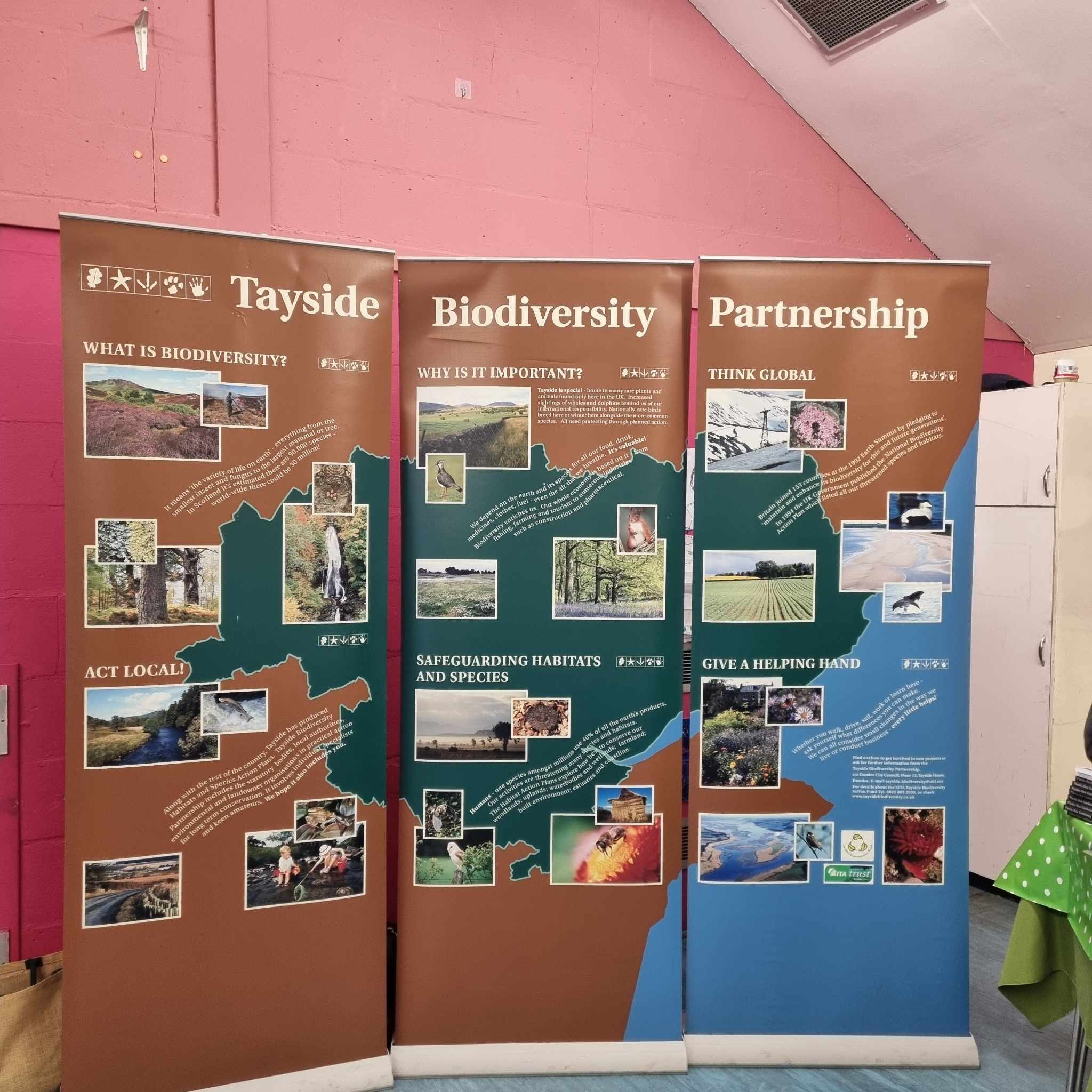
Caption: Learning from experts at the Tayside Biodiversity Partnership event, packed with great tips on wildlife-friendly gardening!
Learning from the Experts
The event brought together fantastic speakers, each offering expert knowledge in their field. We learned about the fascinating world of frogs and amphibians, the importance of gardening for pollinators, and the benefits of chemical-free gardening. One particularly interesting topic was seed libraries, which promote the sharing and planting of native seeds to enhance biodiversity in local areas.
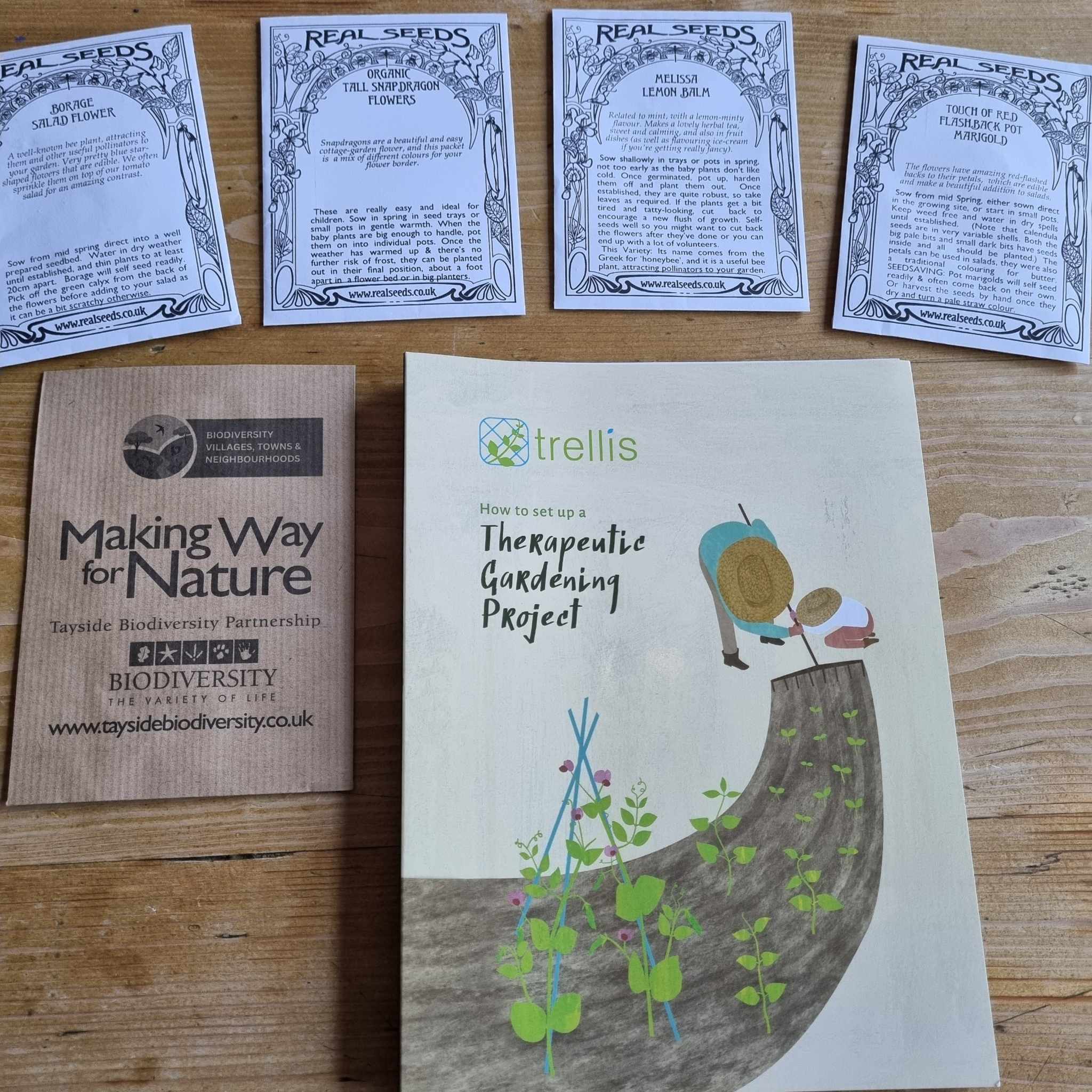
Caption: Excited to plant these free wildflower seeds to support bees and butterflies!
#Small Changes, Big Impact
One of the best things about wildlife-friendly gardening is that small changes can make a huge difference. Here are some top tips we picked up from the event:
- Don’t be too tidy! Phew! This was music to our ears. Messy areas, with piles of leaves or logs, create fantastic habitats for insects, hedgehogs, and amphibians.
- Keep those nettles! While they may seem like a nuisance, nettles support around 40 different insect species, including butterflies. If you’re worried about them spreading, keep a small patch in a pot.
- Plant for pollinators. The free wildflower and garden seeds we received will go straight into our lodge gardens, providing essential food sources for bees, butterflies, and other pollinators.
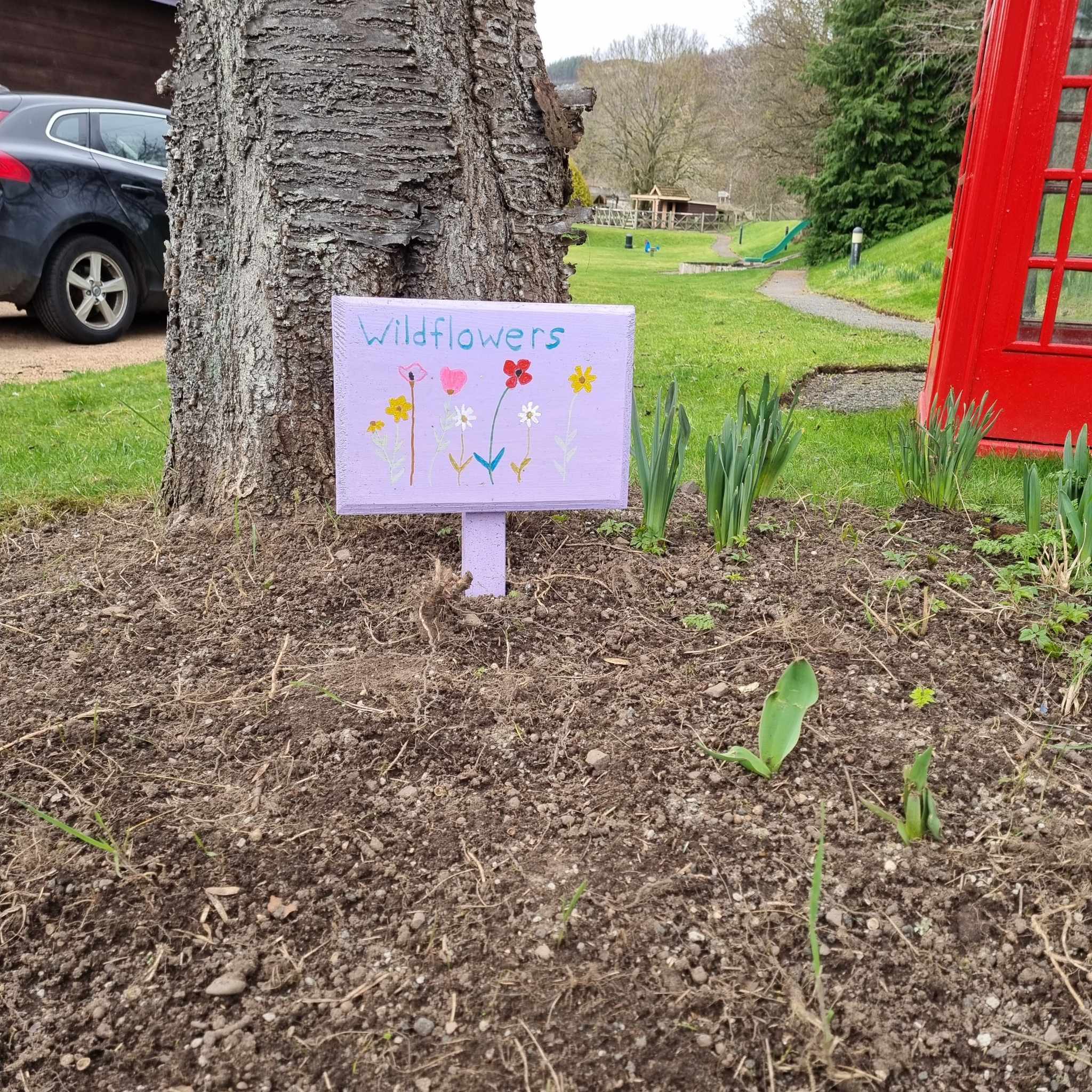
Come and see our wildflower areas in full bloom – a paradise for nature lovers!
- Go chemical-free. Using natural gardening methods helps protect insects, birds, and amphibians while keeping our environment safe and thriving.
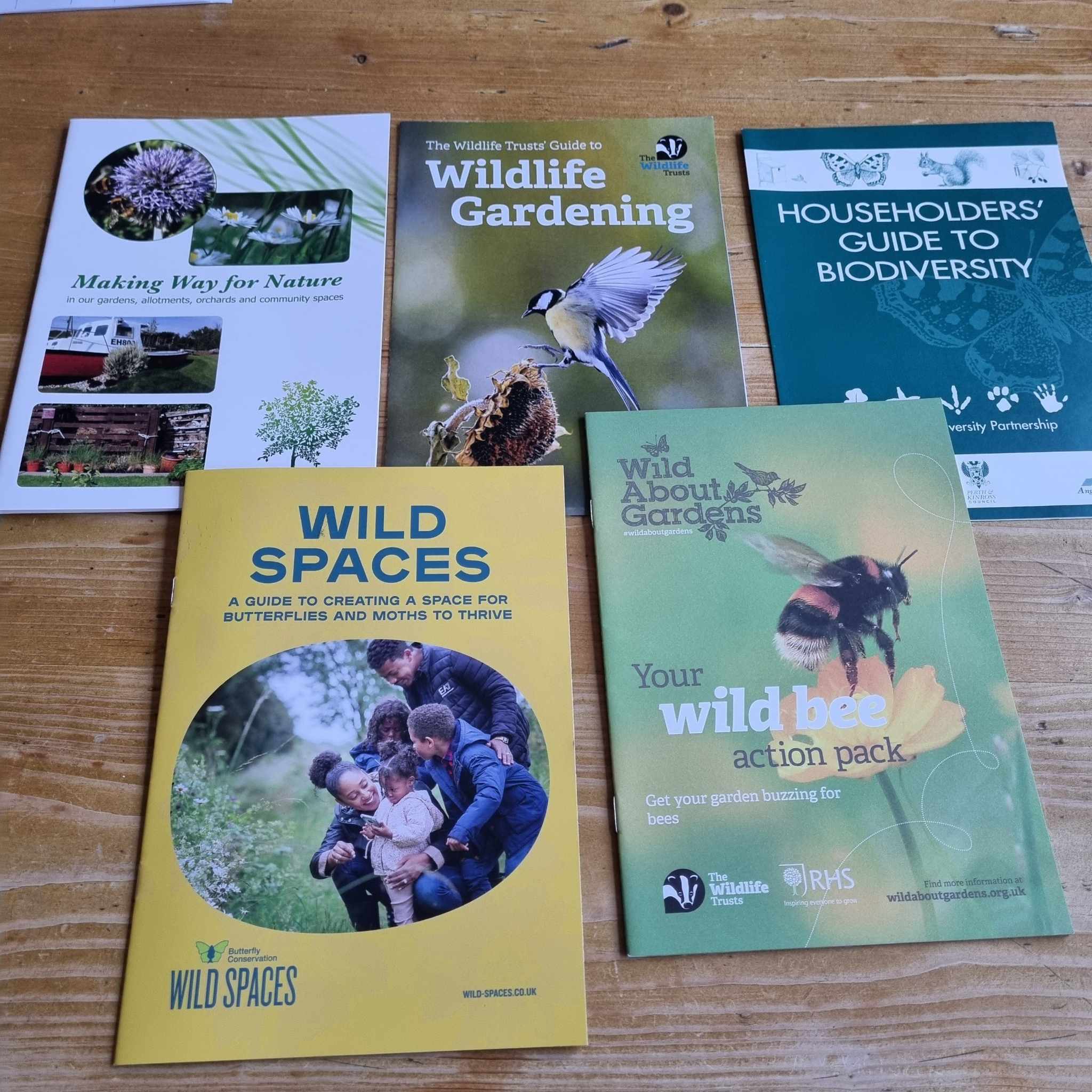
Caption: Handy guides on creating a haven for pollinators, hedgehogs, and other wildlife in your garden!
What We’re Already Doing at Our Lodges
We were pleased to discover that many of the tips shared at the event align with what we’re already doing at our lodges. Our outdoor spaces include wild areas designed for hedgehogs and pollinators, and we’ve planted native trees from the Woodland Trust to provide essential habitats for birds, insects, and small mammals. This event has inspired us to do even more!
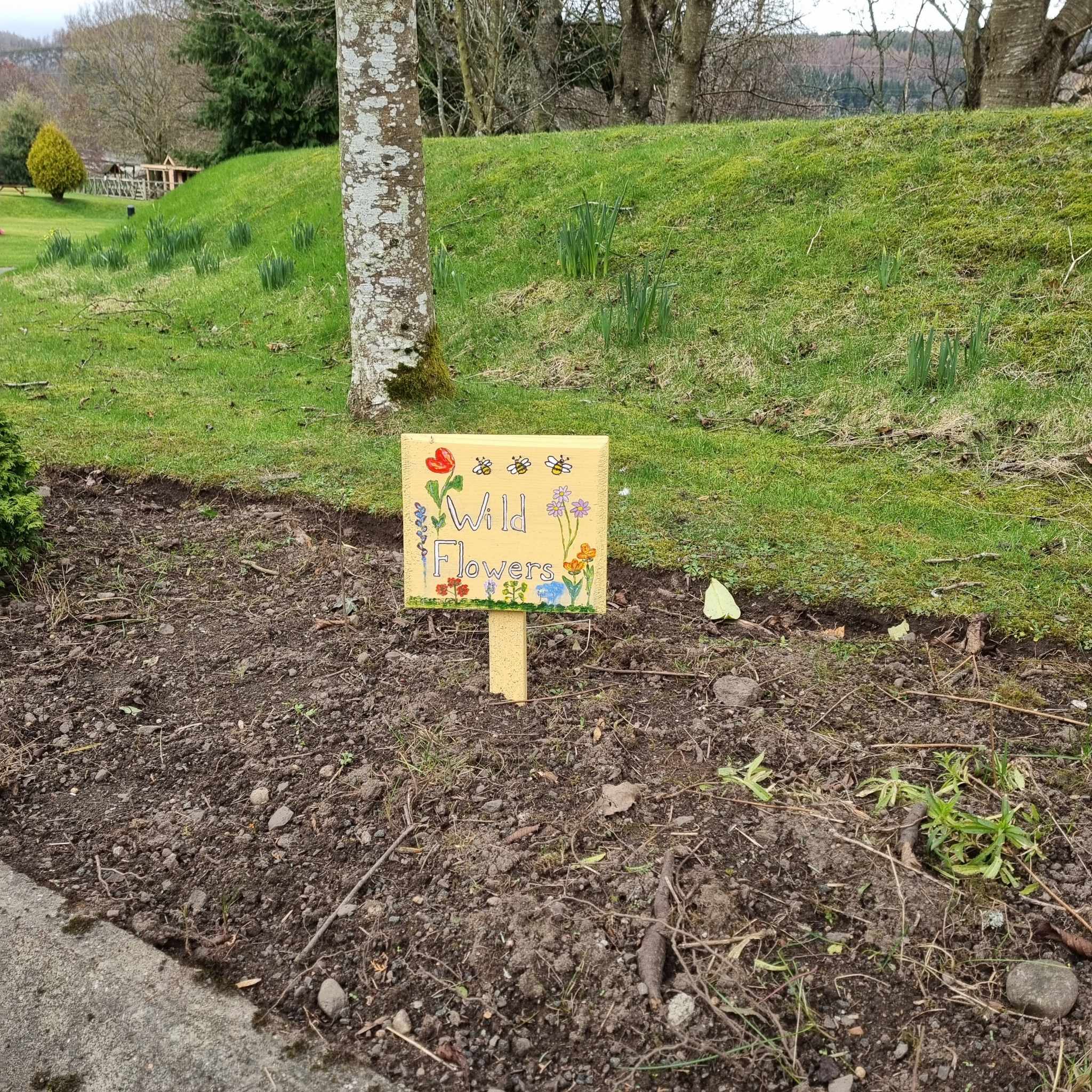
Our wild spaces at River Edge Lodges, designed to support biodiversity.
Come and See for Yourself!
If you love nature and are interested in biodiversity, why not plan an eco-friendly holiday in Scotland and experience our wildlife-friendly gardening firsthand? Our wildflower areas come alive in late spring and summer, buzzing with bees and fluttering with butterflies – a true paradise for nature lovers.
We’ll be sharing more about our journey in biodiversity-friendly gardening, so stay tuned for updates. And if you’ve got any top tips of your own, we’d love to hear them!
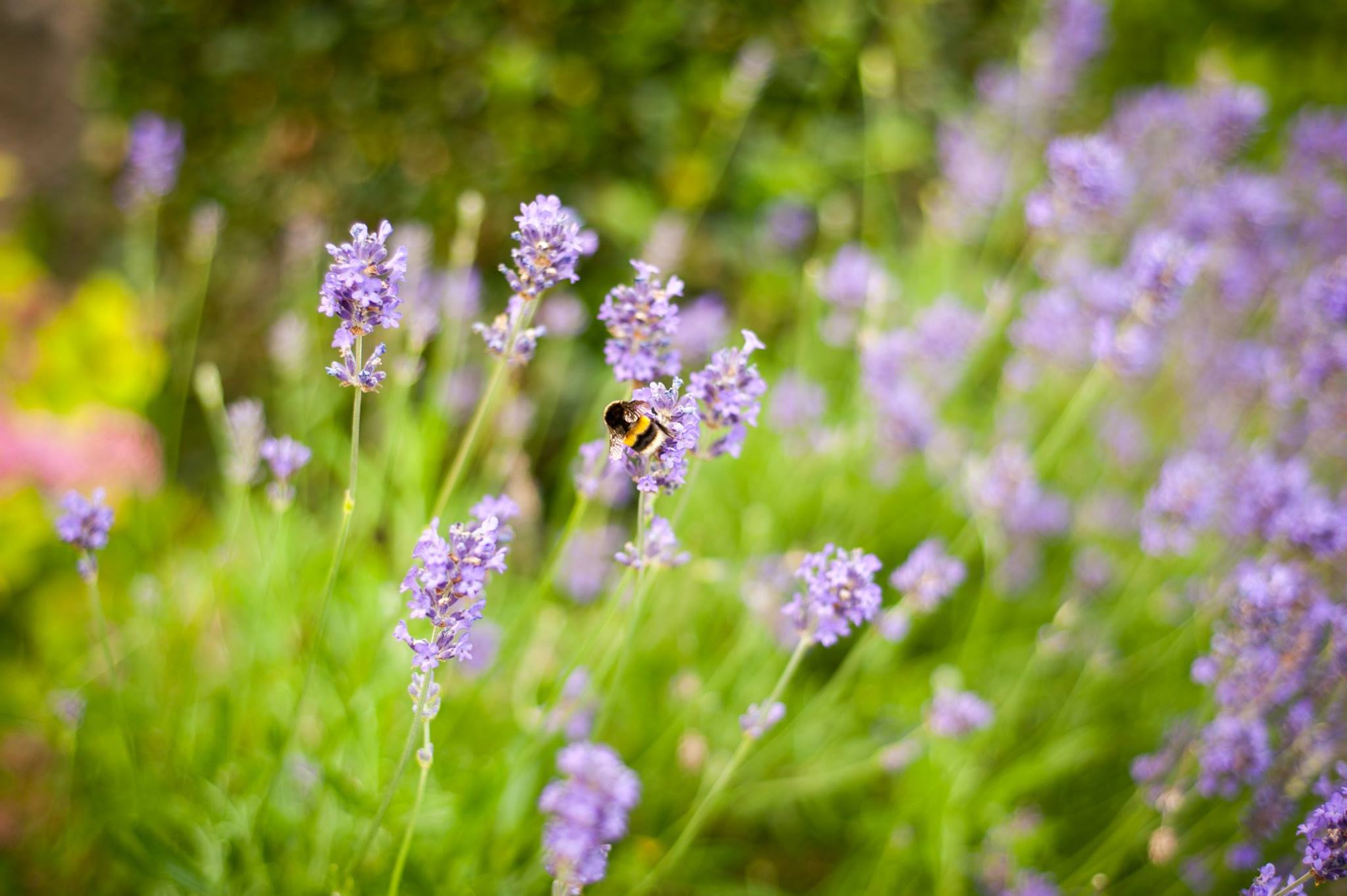
Bees love lavender, and so do we! Planting pollinator-friendly flowers is an easy way to support biodiversity.